
World Down Syndrome Day How Astonishing Care Fosters Inclusion

Inclusion becomes real in everyday moments: being welcomed by name, having choices explained clearly, joining a class, getting a job interview, playing sport, or sharing a meal without being treated as an outsider.
That is the heart of marking World Down Syndrome Day. While the official global observance is held on 21 March, some communities and care organisations also choose dates such as 11 September to reflect, educate, and renew their commitment to inclusion. The date matters less than the action it inspires.
For Astonishing Care, inclusion is not a slogan. It shows up in the way support is planned, delivered, reviewed, and lived.

Down syndrome awareness should lead to everyday inclusion
Down syndrome is a genetic condition that occurs when a person has an extra copy of chromosome 21. People with Down syndrome may experience differences in learning, communication, health, and development. Just as importantly, each person has their own personality, culture, interests, strengths, and goals.
Awareness days help because they create a shared pause. They invite families, carers, educators, support workers, neighbours, and communities to ask better questions.
Not just:
What support does this person need?
What risks should we manage?
What services are available?
But also:
What does this person enjoy?
Where do they want to belong?
How can we make choice easier, not smaller?
What barriers can we remove?
Inclusion starts when people with disability are seen as full participants in community life, not passive recipients of care.
This article is general in nature and does not replace medical, therapeutic, or individual support advice.
What astonishing care looks like in practice
Astonishing care is not about doing more for someone than they need. It is about offering the right support so the person can do more for themselves, with dignity and safety.
That can look simple from the outside.
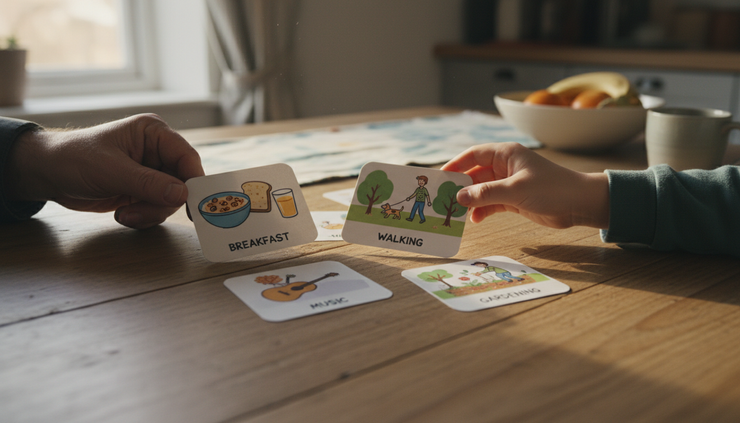
A support worker waits a few extra seconds before stepping in. A meal choice is shown with photos instead of rushed verbal instructions. A family member is invited to share what helps during transitions. A person is encouraged to greet the bus driver, order their own drink, or help plan the weekend.
These small acts matter because they build confidence over time.
Good support usually includes:
Person-centred planning
Support is shaped around the person’s goals, routines, communication style, culture, and preferences.
Respectful communication
Workers speak to the person directly, use clear language, check understanding, and avoid talking over them.
Predictable routines with room for choice
Structure can reduce stress, while choice helps people practise decision-making.
Skill building through real life
Cooking, shopping, travel, hobbies, and social activities become chances to learn and participate.
Family and community connection
Care works best when it strengthens trusted relationships rather than replacing them.
Inclusion grows when support protects choice
People with Down syndrome are sometimes overprotected. The intention may be kind, but the result can be limiting. When every decision is made by someone else, a person has fewer chances to practise independence.
Astonishing Care can foster inclusion by finding the balance between support and autonomy.
For example, support might mean walking beside someone as they learn a familiar community route, rather than always driving them. It might mean helping them prepare for a social group, rather than deciding the group is too hard. It might mean using visual tools before an appointment, so the person can ask their own questions.
Choice does not mean leaving someone without help. It means making participation possible.
That includes the right to:
Prefer one activity over another
Say no
Try something new
Make safe mistakes
Build friendships at their own pace
Be taken seriously
When care protects choice, inclusion becomes more than access. It becomes belonging.
Community participation is built one welcome at a time
A truly inclusive community does not expect people with disability to do all the adapting. Schools, sporting clubs, libraries, workplaces, faith groups, health services, and neighbourhood spaces all have a role.
Many adjustments are practical and low-cost. Clear signs help. Flexible communication helps. Patient staff help. A quiet space can help. So can allowing extra time, explaining steps, and asking the person or family what works best.
A support provider can act as a bridge between the person and the community. That bridge should not become a wall. The goal is connection.
For example, a support worker might help someone join a local swimming class by visiting the pool beforehand, meeting the instructor, and explaining any communication needs. Over time, the worker may step back as the person becomes more comfortable.
That is inclusion in action: support that opens a door, then makes room for natural relationships to grow.

Families and carers need inclusion too
Families often carry a large emotional and practical load. They may coordinate appointments, advocate in education settings, manage daily routines, and plan for the future. Carers also need to feel heard, respected, and supported.
Astonishing care includes families without making assumptions about them. Some families want close involvement in daily decisions. Others want help building more independence. Many want both.
Strong care teams listen for what is said and what is not said. They ask about stress points, communication needs, cultural values, safety concerns, and long-term hopes. They share information clearly. They create consistency, so families do not have to explain everything again and again.
When families feel supported, the person receiving care often benefits too. Trust grows. Goals become clearer. Progress becomes easier to notice.
Marking 11 September with purpose
If 11 September is being used as a local day of recognition, it can be meaningful without needing to copy the March global event exactly. The focus can be practical, local, and personal.
A care organisation might mark the day by:
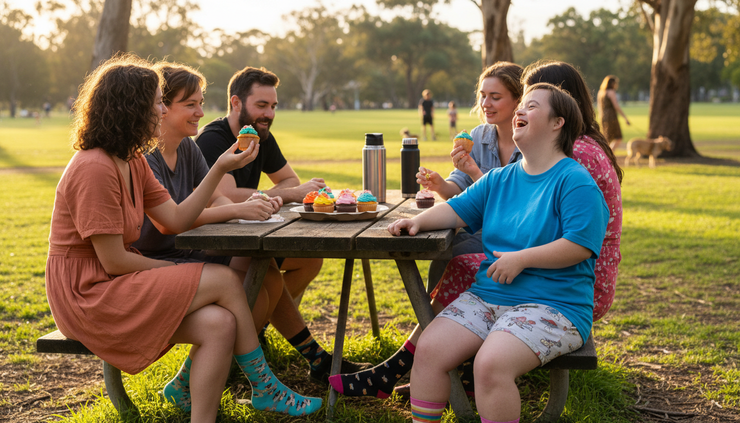
Hosting an inclusive morning tea led by participants
Sharing stories with permission and dignity
Reviewing communication tools and support plans
Inviting community groups to learn about accessible participation
Celebrating participant goals reached during the year
Asking people with Down syndrome what inclusion means to them
The strongest awareness activities centre the voices of people with lived experience. They avoid pity. They avoid tokenism. They show real lives, real goals, and real contributions.
Inclusion is a daily standard, not a single day
Awareness days can start conversations, but care turns those conversations into habits. The real measure is what happens the next morning, during the weekly routine, at the community centre, on public transport, in the kitchen, and at the local café.
Astonishing Care fosters inclusion when it treats each person as capable, valued, and worthy of meaningful choice. That means building skills, respecting communication, supporting families, and helping communities become easier to enter.
On 11 September, the message is simple: people with Down syndrome belong in ordinary life, with ordinary opportunities, and with support that recognises their full humanity. Inclusion grows when care is thoughtful enough to listen, patient enough to adapt, and committed enough to keep showing up.


Comments